Our Services
We provide affordable legal aid services to women and children
National Legal Aid Clinic for Women (NLACW) was established in 1990 to provide affordable legal aid services to women and children from marginalised social sectors who have been victims of social injustice. Often these people cannot afford the cost of hiring a lawyer to represent them in their pursuit of justice. NLACW offers legal services, representation, legal information and education and conducts advocacy for policy and law reform on women and children’s rights. NLACW’s activities are financed by donations from their mother body, the Law Association of Zambia (LAZ), client contributions and co-operating partners. NLACW wants to see a society where underprivileged women and children have fair and equal access to legal rights through legal representation.
View All Services
Legal Literacy
Through community outreach (radio and television programs, school and community workshops and paralegal support), we empower communities with knowledge on children’s rights.

Legal Representation
We provide legal representation to women and children in civil and criminal matters before the courts of law. We also conduct internal mediation in disputes involving women and children which guarantee quick resolution of disputes and assist to effect reconciliation.

Counseling
We work with targeted actors, such as Members of Parliament and policy makers in order to bring their attention to laws that are discriminatory and inconsistent with women.

Advocacy for Policy & Law Reform
We advocate for laws and policies that promote gender, justice and protect women and children’s rights.
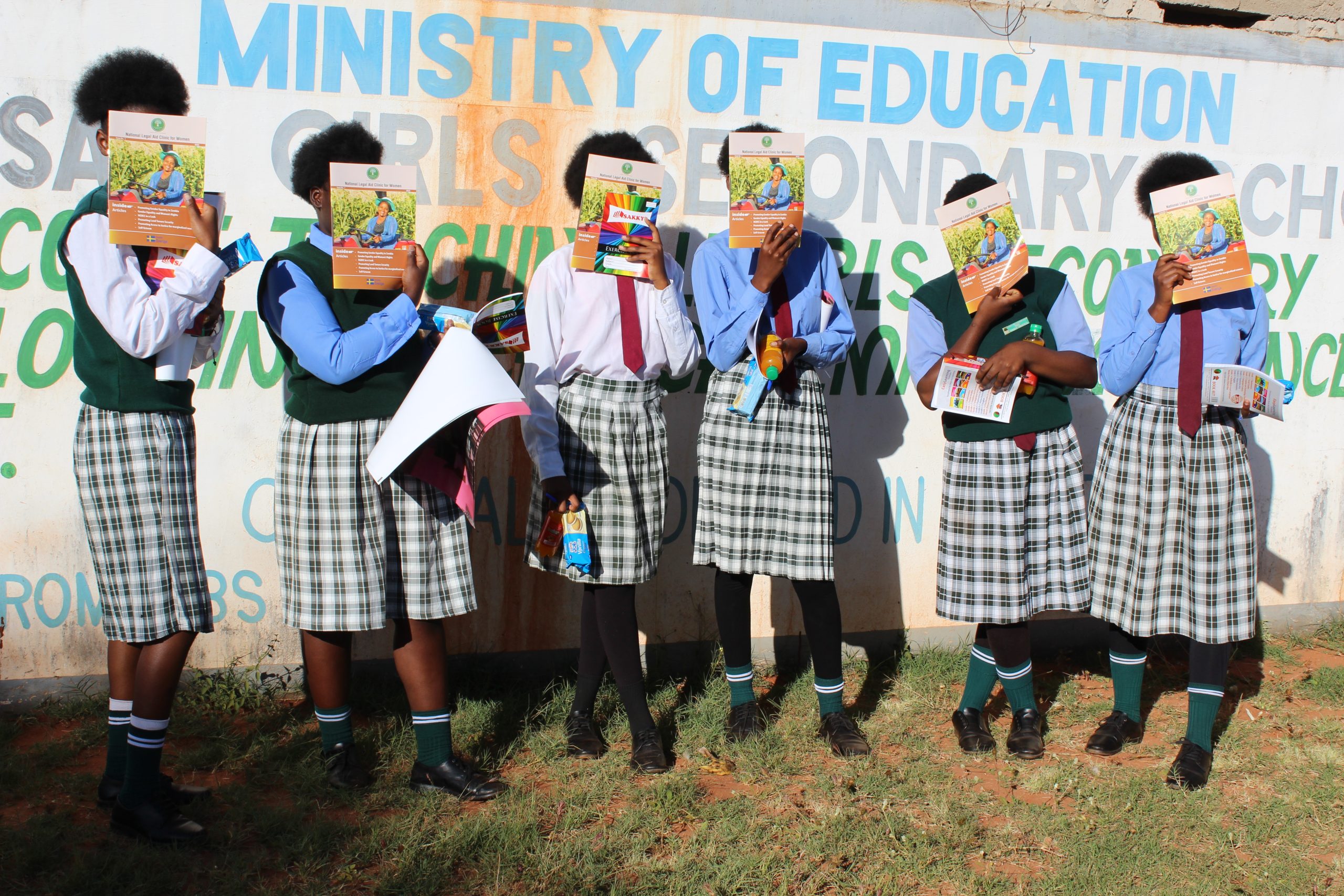
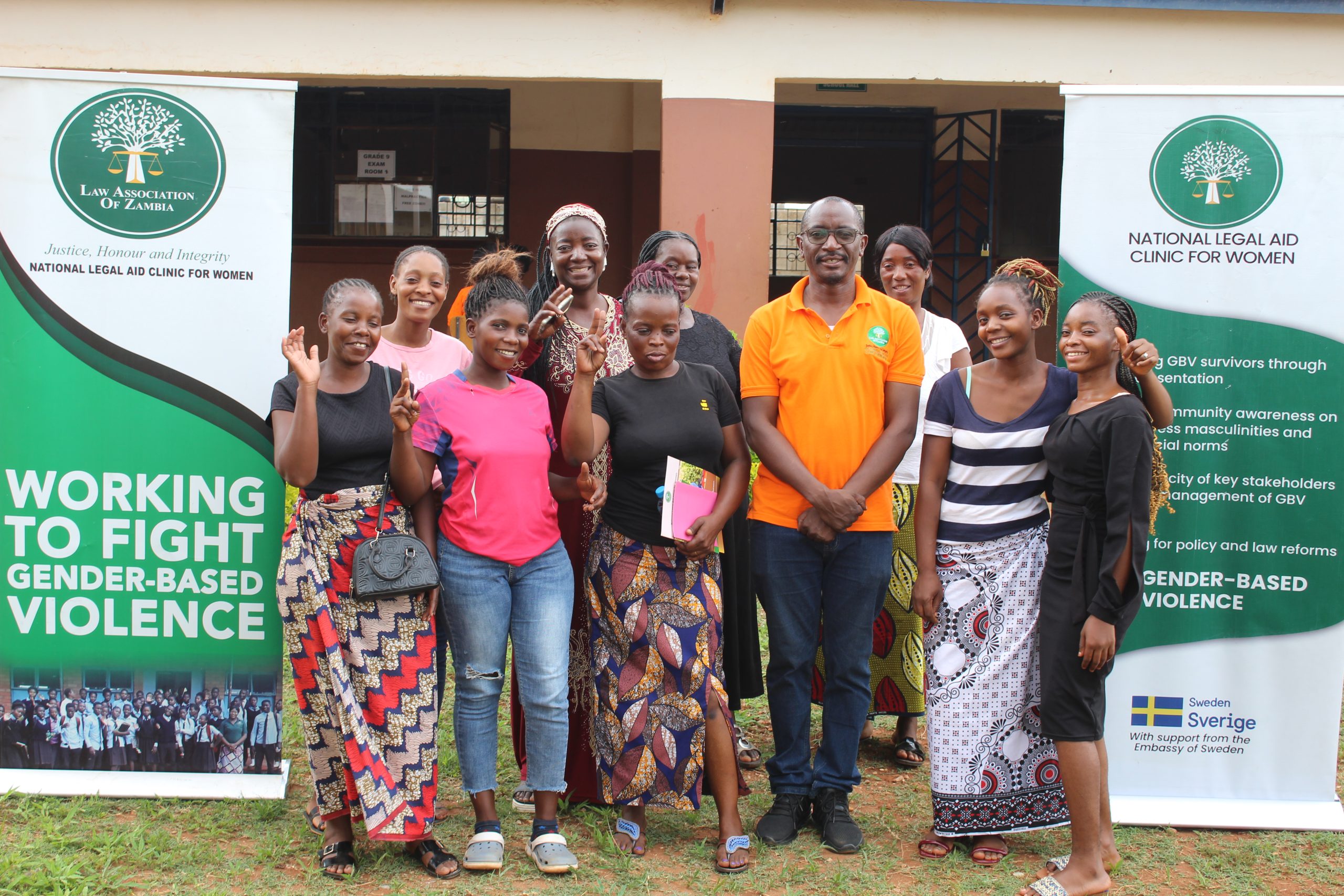

Providing Legal Literacy
The purpose of legal literacy is to address institutionalized barriers that promote inequalities and discrimination against women and children such as negative social norms that promote acceptance of GBV in communities.
A Zambian Society where underprivileged women and children have fair and equal access to legal rights through legal representation.
- Targeted women and children are aware of their legal and human rights and are making informed decisions
- Policy and legal framework responsive to the needs of the women and children
To empower underprivileged women and children, to know, realize and protect their human rights through the provision of appropriate and timely legal services, legal education and advocacy for policy and legal reforms.
- Vulnerable and underprivileged women and children have equitable access to legal representation
- and obtain justice from the legal systems